12.6 Public Relations in the Public Sphere
Relationship With Politics

Politics and PR have gone hand in hand since the dawn of political activity. Politicians communicate with their constituents and deliver messages using PR strategies. Benjamin Franklin’s trip as ambassador to France during the American Revolution stands as an early example of the publicity model. Franklin enjoyed international acclaim, and his choice of a symbolic American-style fur cap inspired a new fashion for women’s wigs. He also brought a printing press to produce leaflets that circulated through Paris’s intellectual circles, ultimately securing a treaty with France that helped win the American Revolution.
In the 20th century, President Franklin D. Roosevelt’s Fireside Chats used radio to bypass the press and speak directly to the people. His familiar tone helped justify New Deal policies and became an essential promotional tool. More recently, organizations have used PR to distance themselves from controversy through rebranding. For example, the private military contractor Blackwater Worldwide changed its name to Xe Services in 2009 to move away from associations with civilian violence in Iraq.
The proliferation of media and the 24-hour news cycle have forced politicians to abandon old, secretive PR methods. In 2006, Vice President Dick Cheney remained silent for three days after accidentally shooting a friend during a hunting trip—a tactic criticized as outdated in the digital age. Today, the doctrine is to respond instantaneously and, where possible, with a strong counterattack via cable news and the internet.
Propaganda efforts have utilized PR techniques throughout the 20th century and into the 21st. In the 1990s, Kuwait employed the firm Hill & Knowlton to encourage U.S. involvement in the Persian Gulf. A young girl known as Nurse Nayirah gave tearful, widely broadcast testimony to Congress alleging that Iraqi troops dumped babies out of incubators. It was later revealed that she was the daughter of the Kuwaiti ambassador and had been coached by the PR firm. This incident remains a stark illustration of how PR can manipulate public sentiment for geopolitical ends.

In a modern context, state-sponsored disinformation campaigns utilize digital tools on an even vaster scale. Following Russia’s invasion of Ukraine, reports detailed campaigns using fake news websites and AI-generated personas to spread narratives favorable to Russia. By blurring the lines between fact and fiction on platforms like X and Facebook, these efforts undermine trust in democratic institutions through a contemporary evolution of propaganda.
In the high-stakes world of modern politics and international relations, PR functions have expanded to include real-time fact-checking and reputation defense. As AI-generated deepfakes and automated misinformation become more sophisticated, PR teams must act as digital guardians of authenticity. This involves using advanced software to monitor the internet for forged videos or misleading narratives that could damage a client’s reputation before they go viral. In modern times, the primary goal of political PR is often not just to spin a story, but to provide an immediate, data-backed defense against digital sabotage, ensuring that the public has access to verified facts in a chaotic information environment.
Lobbyists often influence public policy by subtly reframing language to shape discourse. In the 1990s, the sewage industry successfully coined the term “biosolids” to replace the unappealing term “sludge.” By 1992, the EPA officially adopted the term, reclassifying it from hazardous waste to fertilizer. This linguistic shift allowed cities to ship tons of treated sewage to agricultural states that permitted the application of biosolids.
A contemporary parallel exists in energy policy. Fossil fuel groups often promote natural gas as a bridge fuel or a “cleaner” alternative to coal. This framing downplays methane emissions and the continued contribution to global warming. Similarly, the promotion of carbon capture and storage suggests a path to decarbonization that does not require a fundamental shift away from fossil fuels. By carefully choosing language, lobbying groups shape the policy agenda and maintain their interests in a rapidly evolving environmental landscape.
Political Branding

Political branding has evolved significantly since the early 2000s, embracing sophisticated public relations techniques to shape public perception and mobilize support. Former President Bill Clinton’s observation that political battles are brand wars remains as relevant today as ever. His observation that Republicans were “brilliant at branding” by framing concepts like the “death tax” (rather than the “estate tax”) underscores how effective PR can distill complex policies into emotionally resonant slogans that become powerful political brands.
A consistently popular political brand is that of the outsider or reform-minded politician. While John McCain adopted this brand in 2008, more striking examples appeared in later cycles. Donald Trump, a businessman with no prior political office, masterfully crafted an outsider brand by positioning himself against the establishment. His “Make America Great Again” (MAGA) slogan became an instantly recognizable brand that transcended traditional party lines and fostered a fervent sense of community. Similarly, Bernie Sanders successfully branded himself as a democratic socialist outsider fighting for systemic change, mobilizing a passionate grassroots movement around a consistent, non-traditional message.

Barack Obama’s 2008 campaign pioneered modern political branding strategies that continue to influence campaigns today. His campaign used iconic portraits and aspirational slogans like “Hope” and “Change” to create a consistent identity. This visual and rhetorical branding was integrated across all channels, from traditional media to nascent social platforms. The unprecedented volume of campaign merchandise sold before his 2009 inauguration demonstrated the power of branding to foster deep emotional connections, transforming supporters into active brand advocates. By utilizing micro-targeting data to personalize digital outreach, the campaign effectively turned online engagement into real-world grassroots organizing and record-breaking small-donor contributions. Today, political candidates across the spectrum rely on this digital-first blueprint, proving that unified visual storytelling and targeted community-building remain essential to modern election strategy.

Branding as a New Form of Communication
Branding has moved beyond the corporate world to become a ubiquitous form of personal communication. The rise of social media has democratized and intensified personal branding, allowing individuals to meticulously curate online profiles to showcase their values, interests, and aspirations. What was once a technique used by companies to sell products is now an everyday means of communication for individuals, celebrities, and public figures.
This shift provides the most compelling evidence of PR’s impact on modern culture. Influencers are essentially personal brands; their success hinges on cultivating authenticity and a perceived connection with their audience, often blurring the lines between personal expression and commercial endorsement. From professionals crafting LinkedIn profiles to Gen Z creators building careers on TikTok through a unique personal brand, the conscious construction of a narrative is now fundamental to navigating public life. Even anti-commercial groups, such as Adbusters, strategically use these same branding techniques and viral campaigns to challenge corporate power, proving that branding has become an inescapable communicative force.

Public Relations and the News
Public relations plays an integral, often unseen, role in shaping the news landscape, with a significant portion of daily news originating from PR efforts, directly or indirectly. It is estimated that anywhere from 40% to 90% of all news stories begin as public relations initiatives, such as news releases, news conferences, speeches, or events designed to attract media coverage. A key concept in this dynamic is the pseudo-event, a term coined by historian Daniel J. Boorstin. A pseudo-event is an activity manufactured primarily to capture the media’s and the public’s attention. These are not spontaneous occurrences; they are planned with the express purpose of generating news coverage. Common examples include news conferences and elaborate award ceremonies that provide perfect photo opportunities and pre-packaged narratives for journalists.

Government extensively uses PR to communicate policies and manage public image. Many elected federal officials employ a press secretary whose primary role is to manage media relations. Beyond individual officials, the influence of PR is evident in the sheer number of lobbyists—about 13,000 individuals in Washington, D.C.—who engage in persuasive communication on behalf of various interest groups. As Transportation Secretary, Pete Buttigieg strategically utilized public appearances and media interviews to highlight the benefits of infrastructure plans, turning policy goals into relatable public narratives. Similarly, during the COVID-19 pandemic, Dr. Anthony Fauci used daily press briefings and public service announcements as a deliberate PR effort to communicate vital health information and urge public compliance with guidelines. NASA also provides a masterclass in modern PR through the Artemis program by live-streaming the Artemis II launch and releasing high-quality imagery to build public support for deep-space exploration.
Spin control refers to the deliberate attempt to shape how the press interprets a story to an organization’s advantage. This often occurs in a spin room immediately after a major event, such as a presidential debate. Campaigns dispatch spokespeople to provide their preferred interpretation of a candidate’s performance, hoping to frame the narrative before reporters file their stories. Various spin techniques are employed to influence the media, such as selective leaking, which involves providing favorable information in advance to set the story’s initial tone. Another tactic is immediate interpretation, in which a politician’s team contacts the press immediately after an event with preferred talking points. Finally, some practitioners use a strategy of false equivalence, pushing the idea that there are two sides to every story, even when one side is objectively less credible, to create doubt or balance a narrative in the public’s perception.
As the line between journalism and public relations continues to blur, the rise of native advertising has become a significant ethical consideration. This practice involves creating PR content that looks and feels exactly like an editorial news story, matching the font, layout, and tone of the hosting news outlet. While these pieces are often labeled as “sponsored content” or “paid post,” the visual similarity to objective news can mislead readers into believing they are consuming independent journalism. For the modern PR professional, the challenge is to use these storytelling formats without losing the transparency and trust that build long-term brand credibility.
In the digital landscape, the relationship between PR and the news also involves the critical issue of brand safety. PR firms must now work tirelessly to ensure that their clients’ messages do not appear alongside misinformation or extremist content, which can happen accidentally through automated ad-placement algorithms. This involves constant monitoring of news sites and digital platforms to protect a brand’s reputation from being associated with guilt. Additionally, firms must combat ad fraud—where bot farms mimic human readers to inflate the reach of a news story—ensuring that the data used to measure a campaign’s success is accurate and that the brand is reaching a genuine human audience.

Public Relations and Social Justice Movements
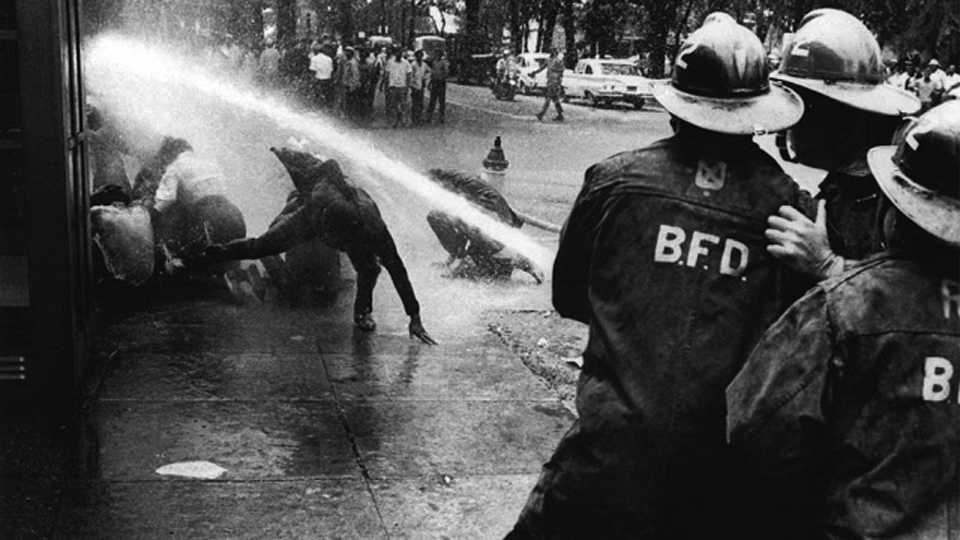
Public relations, often perceived as a tool primarily for corporations and governments, has also proven to be an incredibly effective instrument for social change. This power was nowhere more clearly demonstrated than during the Civil Rights Movement. The leaders of this pivotal movement understood that achieving their goals required a strategic combination of direct action, powerful words, and unwavering visibility. They meticulously orchestrated protests in locations where local officials could be reliably counted on to overreact with violence and repression. This deliberate strategy aimed to expose the brutal realities of segregation and injustice. Crucially, they ensured that the northern press would be present to witness these protests, guaranteeing that images and stories of peaceful demonstrators being met with dogs, fire hoses, and brutal beatings would be broadcast across the nation and around the world.
Martin Luther King, Jr., in particular, was a master of this form of public relations. He understood the power of visual media and strategic messaging to sway public opinion and pressure political leaders. His iconic speeches, non-violent demonstrations, and willingness to endure personal sacrifice were all part of a sophisticated communication strategy designed to win the hearts and minds of Americans and international observers. The impact of televised and newspaper coverage of peaceful marches disrupted by violence was instrumental in galvanizing support for the movement and eventually leading to landmark legislation such as the Civil Rights Act of 1964 and the Voting Rights Act of 1965.

This historical precedent illustrates that PR can be a transformative tool for social change, a lesson that various advocacy groups apply today. A compelling modern example is the Coalition of Immokalee Workers (CIW). This human rights organization, comprised mainly of migrant farmworkers in Florida, has utilized sophisticated PR strategies to improve working conditions and wages in the agricultural industry. Their key initiative, the Fair Food Program, aims to compel major food corporations to pay a penny-per-pound premium for tomatoes, which goes directly to farmworkers, and to adopt a human-rights-based code of conduct enforced by a third party.
The CIW achieved a significant victory with Taco Bell in 2005. After a four-year boycott campaign, including hunger strikes, marches, and widespread public awareness efforts, Taco Bell and its parent company, Yum! Brands became the first fast-food giant to sign a Fair Food agreement. This success was due to the CIW’s ability to frame their struggle as a moral issue, using powerful narratives and public pressure campaigns that garnered media attention and consumer support. Currently, the CIW is engaged in a similar protest campaign to encourage Wendy’s to join the Fair Food Program. They have organized boycotts, protests at Wendy’s locations, shareholder resolutions, and consumer education initiatives, all designed to put pressure on the company and its reputation to bring about change. Their strategy mirrors the Civil Rights Movement’s emphasis on visibility and public awareness to achieve tangible improvements in human rights and labor conditions, underscoring the lasting power of well-placed public relations in the pursuit of social justice.
In contrast to the genuine grassroots mobilization seen in social justice movements, some PR campaigns employ a deceptive tactic known as astroturfing. This involves creating a fake grassroots movement that appears to be a spontaneous outpouring of public support but is actually funded and orchestrated by a large corporation or political interest group. By using bot networks to inflate social media trends or creating front groups with names that sound like community organizations, practitioners can manufacture a false sense of public consensus. Understanding the difference between a real social movement and an astroturf campaign is vital for consumers and policymakers to identify who is truly behind the messaging that shapes public debate.
The Modern PR Professional
As this chapter has demonstrated, the role of the public relations practitioner has evolved from a simple publicist to a complex strategic advisor. The modern PR professional must be a guardian of fact, balancing three distinct skill sets: storytelling, data science, and ethical diplomacy. They must be masters of narrative to reach human hearts, experts in AI and predictive analytics to understand digital trends, and ethical counselors who ensure that a company’s or politician’s actions align with their public promises. Success in this field today requires more than managing an image; it demands transparency and persuasion to benefit both the organization and the public.