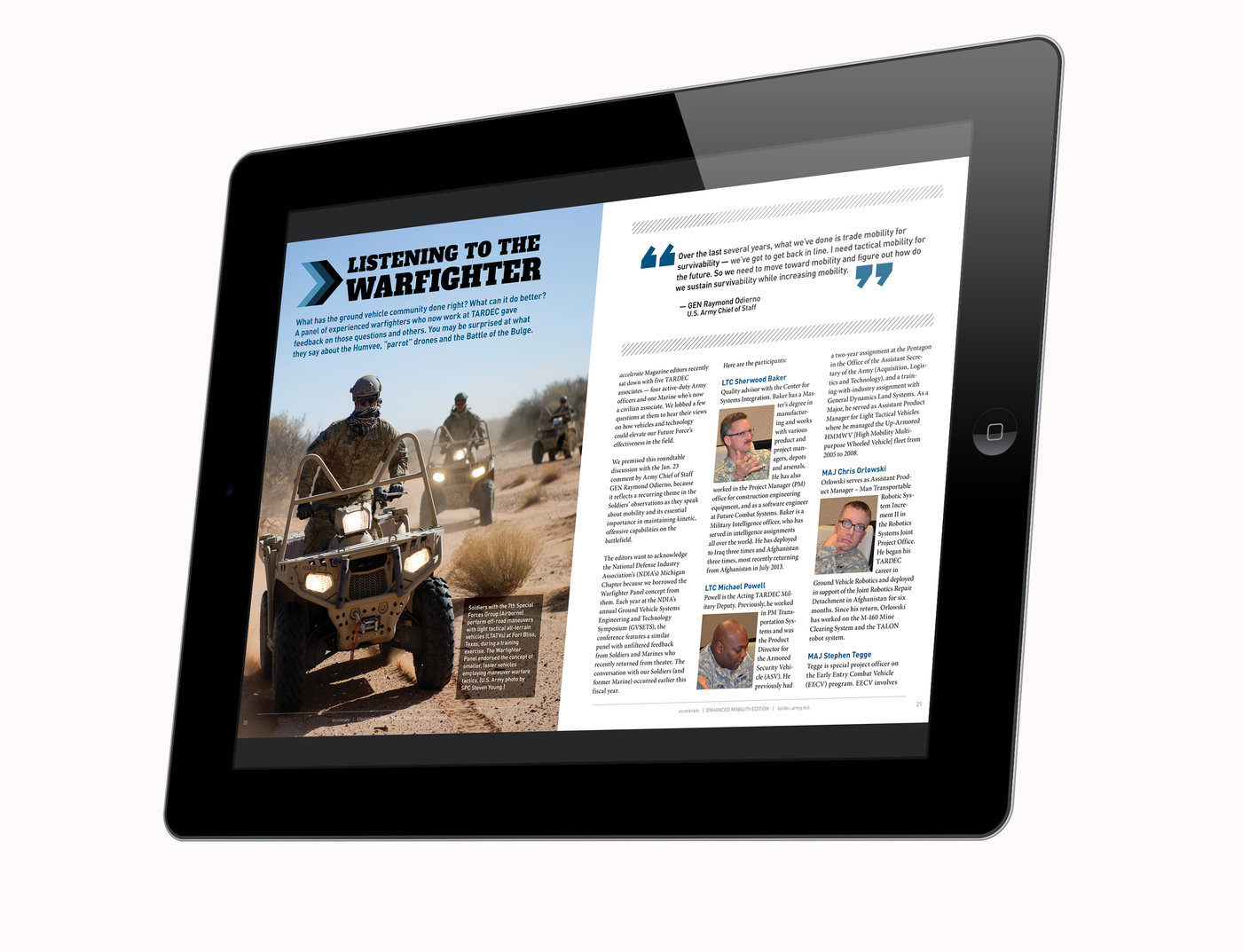
4.6 The Digital Landscape’s Impact on the Print Industry
The rapid expansion of digital communication transformed the fundamental economics and delivery of news, presenting print publications with intense competition for consumer attention. As readers migrated online for immediate, zero-cost coverage, legacy newspapers struggled to maintain traditional print circulation and advertising revenues. However, the influence of the internet extended far beyond providing free content; it restructured how news was gathered, produced, published, and monetized across the media landscape.
The Evolution of Blogging and Speed Advantages Over Print

In the early days of the commercial web, weblogs—or blogs—introduced a decentralized model of reporting and commentary. Traditional journalists initially viewed blogging with skepticism due to its variable sourcing standards and lack of institutional editorial oversight. As journalism scholar Jay Rosen noted, “Bloggers are speakers and writers of their own invention, at large in the public square. They’re participating in the great game of influence called public opinion.” Print reporter and blogger Gina Chen summarized this dynamic by observing, “Blogging has changed journalism, but it is not journalism.”
Despite early concerns regarding verification, digital publishing possessed structural advantages over print media—most notably speed and unlimited space. While traditional newspapers were bound by fixed page counts and once-a-day printing schedules, online outlets could break news instantaneously. A defining moment occurred in January 1998 when The Drudge Report, an online news aggregator, broke the story of the Clinton-Lewinsky scandal after Newsweek delayed publication. This event demonstrated the internet’s capacity to bypass legacy editorial timelines and influence national discourse. Furthermore, digital platforms freed journalists from print layout constraints, allowing for longer investigative pieces, complete interview transcripts, and extensive source material.
The Shift to Online Dailies and Digital-Only Transitions
As print readership declined, major publications established online versions of their papers to retain audiences. By 2010, online sources surpassed print newspapers as a primary news destination for a majority of Americans. For competitive metropolitan markets, the financial strain led publishers to abandon print entirely, though the transition to digital-only operations exposed the economic trade-offs of online publishing. In 2009, Seattle’s Post-Intelligencer stopped printing, “leaving the rival Seattle Times as the only big daily in town.” As Steve Swartz, president of Hearst Newspapers and owner of the Post-Intelligencer, commented about the move to online-only printing, “Being the second newspaper in Seattle didn’t work. We are very enthusiastic, however, about this experiment to create a digital-only business in Seattle with a robust community website at its core.” When the Post-Intelligencer shifted away from print, its newsroom workforce dropped from 135 journalists to just 24. Furthermore, news organizations discovered that digital reader behavior differed markedly from print habits; web visitors consumed articles in brief, targeted sessions via search engines and social links rather than reading an entire issue front-to-back. As Swartz articulated, “Very few people come to our website and try to re-create the experience of reading a newspaper—in other words, spending a half-hour to 45 minutes and reading most of the articles. We don’t find people do that on the Web.” To adapt, digital newsrooms introduced beatblogs and crowdsourced reporting, encouraging readers to submit tips, data, and commentary directly to journalists.

Business Model Evolution: Paywalls, Social Discovery, and Generative AI
The fundamental challenge facing digital news organizations has been monetizing online readership. Early digital strategies focused on maximizing page views to build digital advertising revenue. For example, in 2006, GateHouse Media experimented with Creative Commons licensing to encourage bloggers to copy and link back to local newspaper articles, hoping to drive traffic and ad impressions. GateHouse later merged with Gannett in 2019 to form the largest newspaper chain in the United States, but digital advertising alone proved insufficient to sustain large-scale reporting.
Because digital ad rates paid a fraction of traditional print advertising yields—and because ad-tech giants like Google and Meta captured the majority of digital ad spending—news publishers altered their business strategies. Most major outlets moved away from fully free models toward metered paywalls, dynamic subscription tiers, and freemium structures. Leading publications such as The New York Times, The Wall Street Journal, and The Financial Times successfully built multi-million-subscriber digital models, demonstrating that readers would pay for premium, trusted journalism.
Simultaneously, audience discovery shifted dramatically. Historically, print publishers controlled their own distribution channels through home delivery networks, newsstands, and mail subscriptions. In the digital landscape, however, news organizations became deeply dependent on third-party tech intermediaries—primarily social media networks and search engines—to distribute their content and reach audiences.

This platform dependency created severe economic vulnerability for digital publishers. Throughout the 2010s, outlets tailored their editorial strategies to optimize for social media algorithms and search engine queries. However, when major tech companies altered their algorithms—such as social networks deprioritizing news links in user feeds, or search engines introducing zero-click AI-generated summaries that answer queries directly without referring users to publisher websites—news organizations experienced sudden, catastrophic drops in web traffic and ad revenue.
To insulate themselves from platform volatility, modern publishers have pivoted toward direct audience relationships. Newsrooms increasingly prioritize email newsletter subscriptions, custom mobile applications, direct subscriber memberships, and private community hubs. By establishing direct communication channels with readers, publishers aim to bypass algorithmic gatekeepers and build sustainable reader revenue models.
The Internet’s Influence on the Magazine Industry
In March of 2010, The Consumerist published a story titled “Print edition of TV Guide tells me to go online to read most of the cover story.” According to the article, TV Guide printed a story listing “TV’s Top 50 Families,” but shocked readers by including only the top 20 families in its print version. To discover the rest of the list, readers needed to go online. As dismayed as some readers find themselves, this story reflects an ongoing trend in magazine journalism: the move toward online reporting.
Just like their newspaper cousins, magazines have felt the impact and influence of the Internet. With so much information available online, advertisers and readers have increasingly turned to the Internet, resulting in declines in both revenue and readership. However, these changes have not spelled the end for print magazines. Instead, they have forced magazines to adapt to an increasingly online market, demonstrating their resilience and ability to evolve.
Like newspapers, consumer magazines experienced significant disruptions due to the rise of the internet. The rapid expansion of free online content, specialized blogs, and social media platforms fractured reader attention and drew advertisers away from traditional print display ads. Single-copy newsstand sales fell steadily over two decades, prompting major media conglomerates like Dotdash Meredith (now People Inc.) and Hearst to reduce print frequencies—turning monthly titles into bi-monthly or quarterly editions—and pivot toward digital-first publishing.
Despite substantial financial contraction, the internet did not bring about the end of the magazine industry. Instead, magazine publishers adapted by leveraging their established brand authority to diversify revenue streams. Leading publications developed online subscription paywalls, specialized newsletter verticals, and e-commerce affiliate networks, earning commissions when readers purchased products reviewed by editorial staff.
Furthermore, niche publications catering to passionate, specific audiences—such as literary journals, high-end design magazines, and specialized hobbyist titles—demonstrated remarkable resilience. While mass-market newsweeklies struggled to compete with the immediacy of digital news feeds, tactile high-quality print magazines repositioned themselves as premium physical products. By combining targeted print editions with interactive digital content, the magazine industry restructured its operations to survive in a digital-first media ecosystem.
Online-Only Magazines and the Transition to Digital Formats

In 1995, Salon launched as one of the first major digital-native magazines on the internet, establishing a model for web-based journalism focused on politics, culture, and social critique. The award-winning news and entertainment website boasts that it is a “spirited home for journalism that takes a critical look at current events, seeks alternatives to the status quo, engages with big ideas and holds power to account.” The following year, Microsoft launched Slate as a general-interest web magazine that billed itself as “a daily magazine on the Web” by providing a “general interest publication offering analysis and commentary about politics, news, and culture.” Unbound by print deadlines or page limitations, these pioneering digital magazines demonstrated that compelling, long-form editorial content could thrive online without an associated physical print product.
While Salon and Slate began as web-native titles, established print publications increasingly abandoned physical manufacturing to become digital-only operations. In late 2008, PC Magazine—which had published print issues since 1982—announced that it would publish its final print issue in January 2009 and transition to a 100% digital format. Jason Young, chief executive of parent company Ziff Davis Media, acknowledged at the time that the economic viability of print publishing had evaporated due to escalating printing and distribution overhead combined with shrinking newsstand advertising.
In the years following PC Magazine‘s departure from newsstands, the print-to-digital shift accelerated across consumer and trade media. Iconic magazines such as Jet, Computerworld, Teen Vogue, Glamour, ESPN The Magazine, Entertainment Weekly, and InStyle eventually shuttered their regular physical editions to focus exclusively on web, social, and mobile app platforms. Soaring paper prices, rising postage costs, and changes in consumer reading habits forced publishers to treat physical printing as a luxury format rather than a default distribution method.
As the digital landscape expanded, online-only magazines faced the limits of relying strictly on programmatic digital banner ads, which paid significantly lower rates than historic print advertisements. To achieve long-term sustainability, digital magazines diversified their business models through paid subscriber tiers, sponsored content studios, targeted affiliate marketing, and live events.
A particularly successful adaptation for digital-native magazines was early investment in podcast production and original audio journalism. Slate, for instance, built a major audio network around popular political podcasts and acclaimed narrative series like Slow Burn, converting podcast listeners into paying digital subscribers through premium memberships like Slate Plus. By combining web reporting, video series, and audio storytelling, online-only magazines expanded beyond static web pages to become multi-format media brands capable of engaging digital audiences across diverse platforms.

Magazine-Like Websites
In addition to digital transitions made by established print publications, web-native platforms emerged that operated like traditional magazines without ever publishing a physical print edition. Pitchfork launched in the mid-1990s as an online-only music journalism publication. The site provided readers with album reviews, cultural commentary, and artist interviews, structuring its editorial voice around the format of classical music and entertainment magazines.
However, web-native publications quickly built advantages over print predecessors by utilizing multimedia integrations. Sites like Pitchfork complemented long-form writing with embedded audio tracks, streaming playlists, video interviews, and original mini-documentaries. This hybrid approach—combining traditional magazine criticism with interactive digital media—demonstrated how online publications could create richer, multi-sensory experiences for audiences.
The influence of magazine-like websites eventually caught the attention of traditional media conglomerates seeking to build their digital presence. In 2015, publishing titan Condé Nast—owner of legacy print titles like Vogue, The New Yorker, and Vanity Fair—acquired Pitchfork. This purchase underscored a broader industry trend of legacy publishing companies buying established web brands to capture younger, digital-first audiences.
Nevertheless, digital-native outlets remained susceptible to shifting web economics, advertising fluctuations, and audience fragmentation. In early 2024, Condé Nast restructured Pitchfork by merging its editorial team into the organization of its men’s fashion and lifestyle magazine, GQ. This consolidation reflected ongoing volatility in digital media. It demonstrated how the boundaries between traditional print brands and web-born publications continue to blur as media companies seek sustainable business models in an evolving digital landscape.

Print Magazines With Online Presences
To retain audiences and expand brand reach, virtually every surviving print magazine maintains an active digital footprint. However, publishers quickly discovered that online readers interact with media differently than physical magazine subscribers. Writer Bernadette Geyer discussed the practical contrasts between online and print journals, saying:
I will read a print journal cover to cover because I can bookmark where I left off. Simply taking all the content from what would have been a print issue and putting it online, along with links from a Table of Contents, is all well and good in theory. Still, how many people sit and read all the contents of an online journal that publishes several authors and genres per issue?
Web readers typically arrive at individual articles via search engines, social media feeds, or targeted links, consuming single pieces of content rather than browsing an entire digital edition. In response to these shifting consumption habits, print magazines adapted their websites to offer dynamic, daily-updated content. Publications regularly produce web-exclusive reporting, daily newsletters, podcasts, video series, and interactive features that cannot exist in static print issues, catering to digital audiences seeking timely updates between published issues.
Another significant advantage print magazines offer online is access to searchable digital archives. Converting decades of physical issues into searchable databases allows magazines to monetize back-catalog content. For instance, Cook’s Illustrated gates its vast database of tested recipes and equipment reviews behind a paid digital membership, turning past culinary research into ongoing subscription revenue.
Similarly, publications like Time and The New Yorker offer subscribers complete access to every cover and article published since their founding in the 1920s. These deep archives serve a dual purpose: they act as primary research tools for scholars and readers while providing publications with a durable asset that digital-native competitors cannot replicate. By pairing physical print editions with web-exclusive daily coverage and searchable historical archives, legacy magazines continue to refine their hybrid publishing models.
Is Print Dead?
The question “Is print dead?” has driven discourse across the media ecosystem for over two decades. Media critic David Carr framed the central paradox of modern journalism in The New York Times: traditional publications do not suffer from a lack of readers, but from a broken business model. Millions of readers consume articles online daily, yet free web access and low digital advertising leave newsrooms stripped of the revenue needed to support large editorial staffs.
This financial friction sparked intense debate over the physical medium’s future. Media strategist Jeff Jarvis famously argued that digital platforms offered superior immediacy and interactive reach, framing print as an outdated constraint while debating John Griffin, the president of the National Geographic Society’s magazine group at the time. Jarvis claimed, “Print is not dead. Print is where words go to die.” But Griffin countered, “Actually, print is where words go to live—we’re still reading the ancient Greeks.”
Conversely, publishing executives countered that tactile print publications provide focused, immersive reading experiences that digital feeds cannot replicate, offering permanent cultural documentation rather than ephemeral web streams.

As technology evolved, media outlets faced new structural disruptions beyond platform shifts. Rolling Stone magazine delved into the controversial realm of AI-generated criticism by allowing an artificial intelligence to review Lil Yachty’s album, Let’s Start Here. Other major outlets have also experimented with artificial intelligence tools for research, automated summaries, and experimental critique. These technological shifts underscored the fragile position of traditional media, forcing newsrooms to balance automated software against the indispensable value of human reporting, critical nuance, and artistic interpretation.
While print no longer serves as the primary distribution channel for daily news or breaking commentary, physical publishing has not vanished. Instead, print transformed into a specialized, high-end medium. Daily breaking reporting migrated almost entirely to web pages, mobile apps, and social feeds. At the same time, physical magazines and journals pivoted toward curated, tactile formats—offering long-form essays, rich photojournalism, and collectible design. The media-industry career platform Mediabistro once posted, “No one is saying magazines will fade into complete oblivion even as they restructure and find new legs… ‘traditional media’ are not going away. There’s something special and unique, even luxurious, about reading a big, glossy magazine…Or, in the words of Marie Claire editor Joanna Coles, ‘As long as people take baths, there will always be a monthly magazine.’” While print may no longer be the dominant medium, it continues to serve a distinct cultural function alongside its digital counterpart.